
Top Questions About Credit Repair Answered by Experts
Understanding Credit Repair
Credit repair can be a daunting task, but understanding the basics is the first step toward improving your financial health. Credit repair involves disputing inaccuracies on your credit report and negotiating with creditors to remove negative items. It's essential to know your rights and the tools available to help you succeed in this process.

Many people are unaware of the impact that credit scores have on their financial lives. A poor credit score can lead to higher interest rates and even denial of loans. Therefore, taking steps to repair your credit is crucial for your financial future.
What Can Be Disputed on a Credit Report?
One of the most frequently asked questions is what can actually be disputed on a credit report. You have the right to dispute any information you believe is inaccurate, incomplete, or unverifiable. This includes:
- Incorrect personal information
- Outdated account statuses
- Duplicate accounts
- Unauthorized hard inquiries
Steps to Dispute Errors
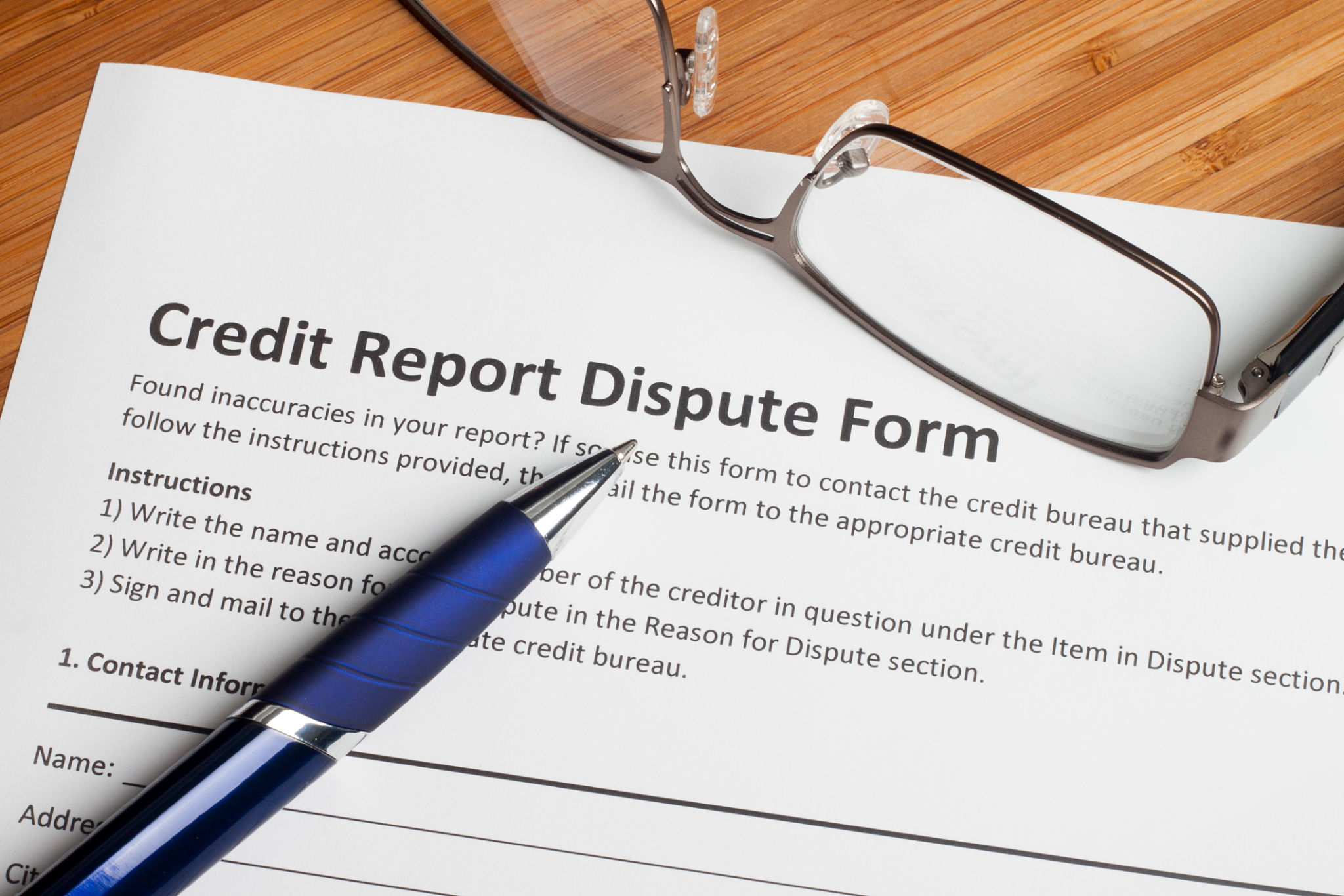
To dispute an error, you should first obtain a copy of your credit report from the major credit bureaus. Carefully review the report and identify any inaccuracies. You can then submit a dispute online, by phone, or by mail. It's important to provide documentation supporting your claim.
How Long Does Credit Repair Take?
The time it takes to repair your credit varies based on the nature of the disputes and the responsiveness of the credit bureaus. Typically, credit bureaus have 30 days to investigate a dispute. However, resolving complex issues may take longer. Patience and persistence are key to seeing improvements.
While waiting for disputes to be resolved, it's beneficial to continue making timely payments and reducing outstanding debts. These actions can positively affect your credit score over time.
Can You Repair Credit on Your Own?
Yes, you can repair your credit on your own. Many consumers choose to handle their disputes without professional help. It involves gathering information, contacting creditors, and monitoring changes to your credit report. However, this process can be time-consuming and requires careful attention to detail.

When to Seek Professional Help
If you're overwhelmed or unsure about the process, seeking help from a reputable credit repair service might be a good option. These services have experience and can offer guidance throughout the process. Be cautious and research thoroughly to avoid scams.
Impact of Credit Repair on Your Score
Successfully repairing your credit can lead to a significant improvement in your credit score. As negative items are removed and your credit history is corrected, you'll likely see a boost in your score. This can open doors to better loan terms, lower interest rates, and improved financial opportunities.
Remember, credit repair is not an overnight fix. It's a journey that requires dedication and a proactive approach to managing your financial health.