
Credit Myths Debunked: Separating Fact from Fiction in Credit Repair
Understanding Credit Myths
When it comes to credit, misinformation can lead to poor financial decisions. Whether you're trying to improve your credit score or simply maintain it, understanding the truth about common credit myths is crucial. Let’s explore some of the most prevalent myths and set the record straight.

Myth 1: Checking Your Credit Lowers Your Score
Contrary to popular belief, checking your own credit report does not harm your score. This is known as a "soft inquiry" and has no impact on your credit rating. Regularly reviewing your credit report is a good practice to ensure accuracy and monitor for any signs of identity theft.
However, "hard inquiries," which occur when a lender checks your credit for a loan or credit card application, can slightly affect your score. It's essential to limit the number of hard inquiries to maintain a healthy credit profile.
Myth 2: Closing Old Accounts Will Improve Your Score
Many believe that closing old or unused credit accounts will boost their credit score, but this is not always true. In fact, closing accounts can reduce your available credit and increase your credit utilization ratio, potentially lowering your score.
To maintain a strong credit score, it's generally advisable to keep old accounts open, especially those with a long history and good standing. This helps in maintaining a favorable credit utilization rate and a lengthy credit history.
Myth 3: You Only Have One Credit Score
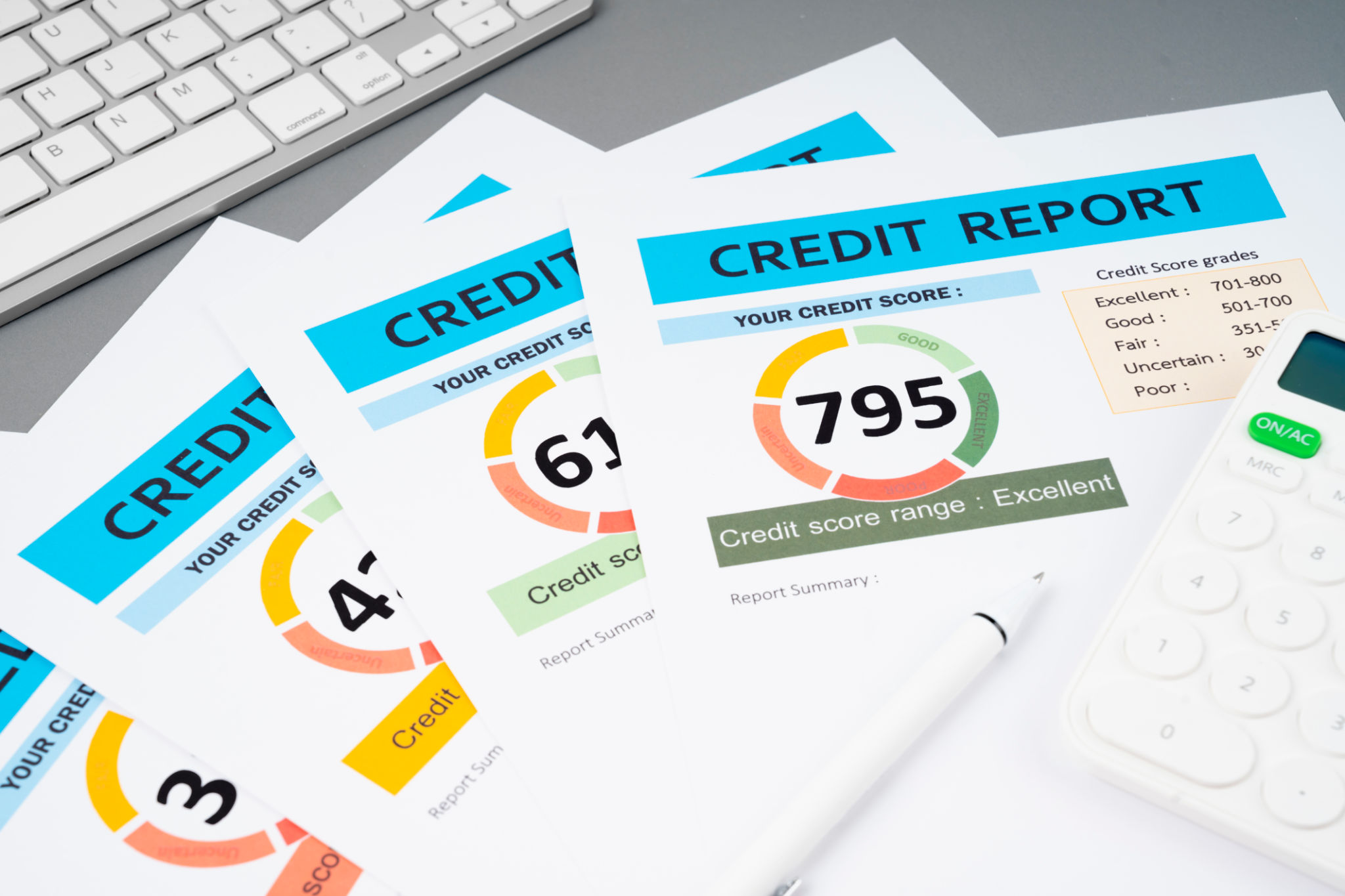
Another common misconception is that you have a single credit score. In reality, you have multiple scores from different credit bureaus. Each bureau may have slightly different data about you, leading to variations in your credit scores.
Your score can also vary based on the type of scoring model used. Therefore, when checking your credit score, it's important to understand which bureau and model are being referenced.

Myth 4: Paying Off Debt Erases It from Your Report
While paying off debt is a crucial step in improving your financial health, it doesn't erase the history from your credit report. Paid-off debts will typically remain on your report for several years. However, they are marked as paid, which can positively impact your creditworthiness over time.
It's essential to manage debts responsibly and understand that their impact may linger on your report even after payment.
Taking Control of Your Credit
Debunking these myths is essential for taking control of your financial future. By understanding how credit works, you can make informed decisions that positively impact your score. Remember that maintaining healthy financial habits, such as paying bills on time and managing debts wisely, are key factors in achieving a strong credit profile.

Ultimately, separating fact from fiction empowers you to navigate the complexities of credit repair effectively. Stay informed and proactive about your credit health to ensure long-term financial stability.